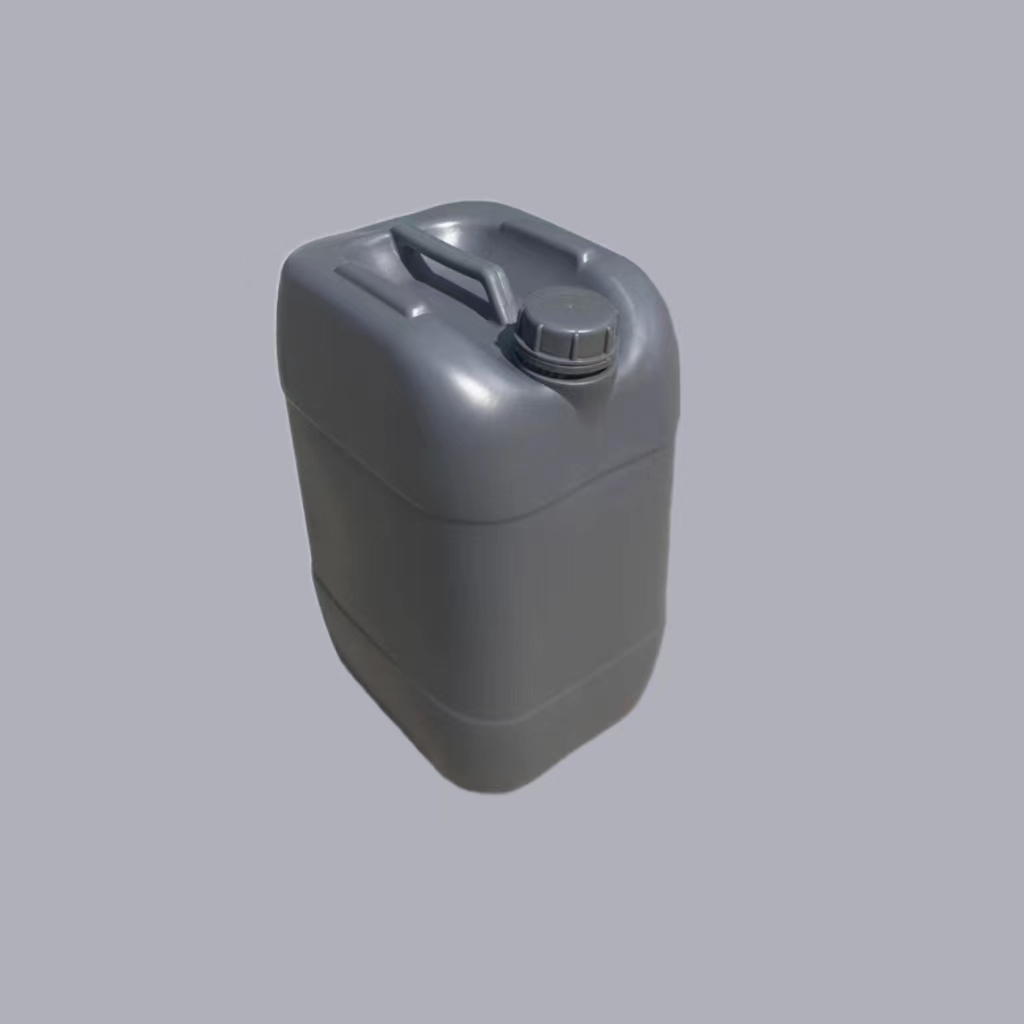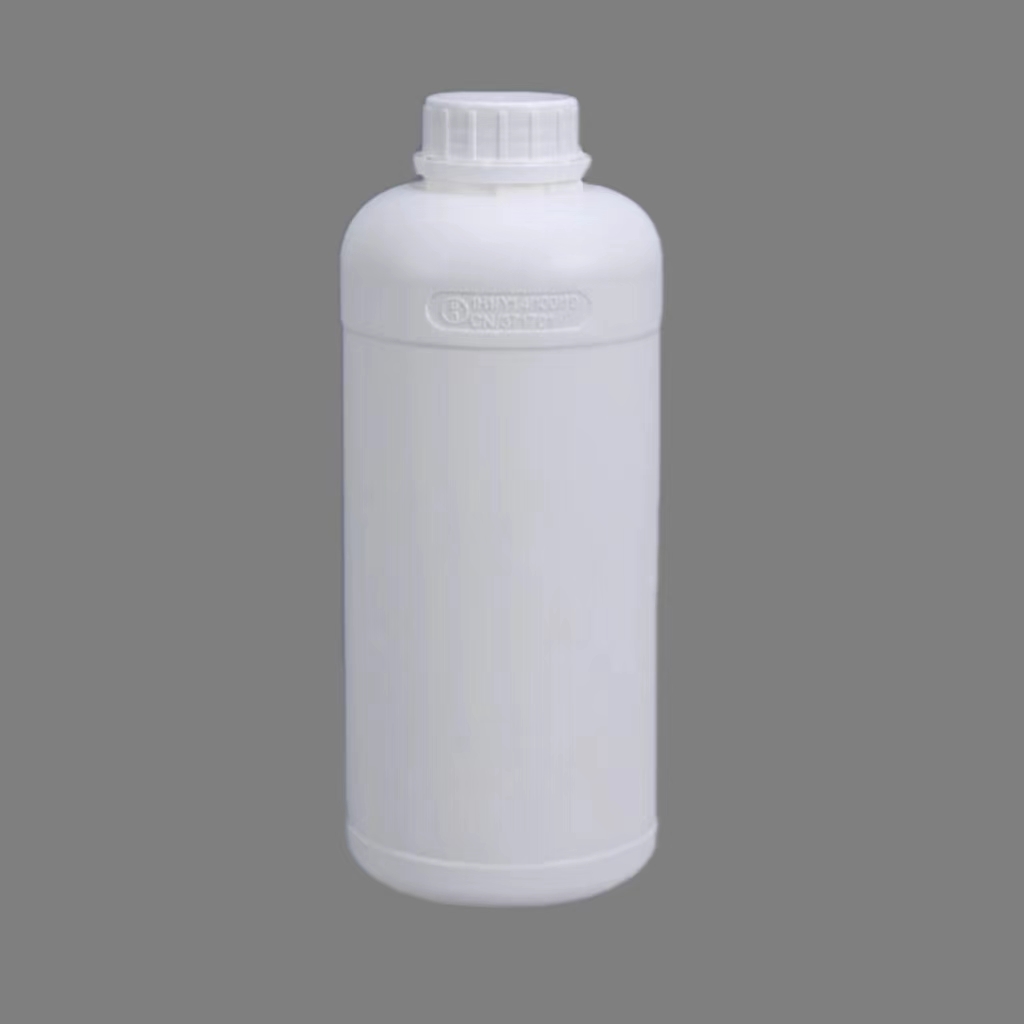

Solid epoxy resin is the flake or granulate form of a bisphenol-based epoxy that a formulator melts or dissolves before cure. Yolatech loaded a full container of solid epoxy resin, with the companion grades that complete the system, for a United States customer in November 2026, bagged and strapped.
A solid grade stays free-flowing at ambient temperature, so it can be bagged, stacked and weighed out by the batch. A liquid resin of the same chemistry needs drums or intermediate bulk containers, and a drum always keeps a heel that the next batch has to live with. For powder coatings, fusion-bonded epoxy and one-pack adhesive systems the solid is ground or melt-mixed anyway, which makes the bag the natural unit of delivery.
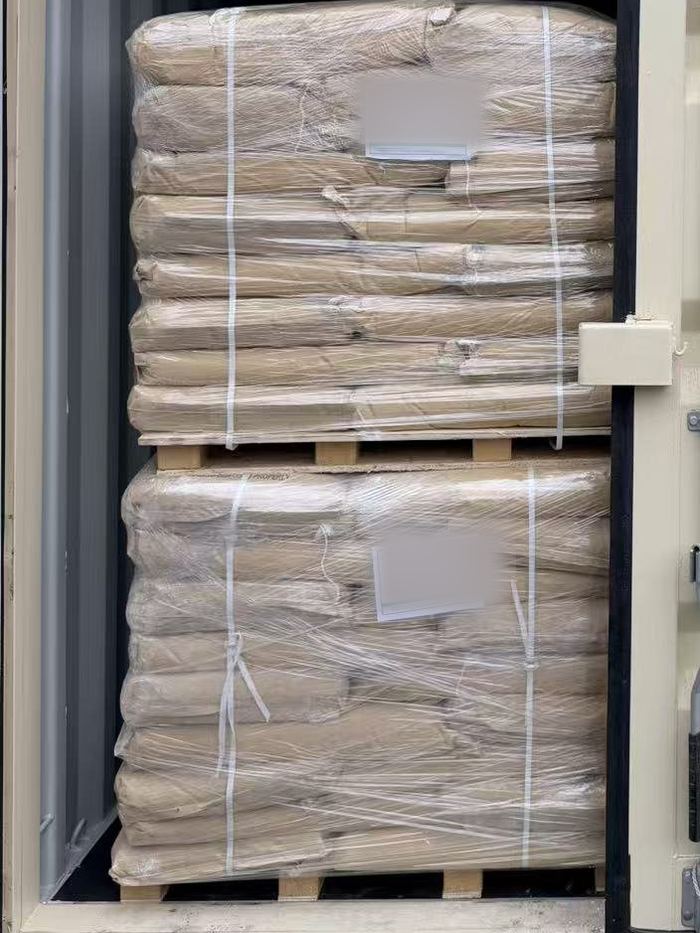
The trade-off is moisture. Flake has a large surface area and will pick up water from humid air, so the bag, the pallet wrap and the container all work as one barrier. That is the reason the bags in these photos are multi-wall kraft under a full stretch-wrap, with the pallets strapped rather than loose.
| Table 1. Solid flake and liquid epoxy resin compared for packing, dosing and transit risk. | ||
| Aspect | Solid flake grade | Liquid resin grade |
| Form at room temperature | Flake or granulate, free-flowing | Viscous liquid |
| Packing | Multi-wall kraft bag on a pallet | Drum, IBC or tank |
| Dosing | Weighed by bag or batch | Pumped and metered |
| Typical downstream use | Powder coatings, fusion-bonded epoxy, one-pack adhesives | Castings, flooring, solvent-free coatings |
| Main risk in transit | Moisture uptake and caking | Drum damage and leakage |
The cargo went into a 20-foot general-purpose container, the workhorse box for a first order that has to be checked bag by bag. Pallets were built two high so the load fills the height of the box instead of sliding, and every pallet face is wrapped before the doors close.
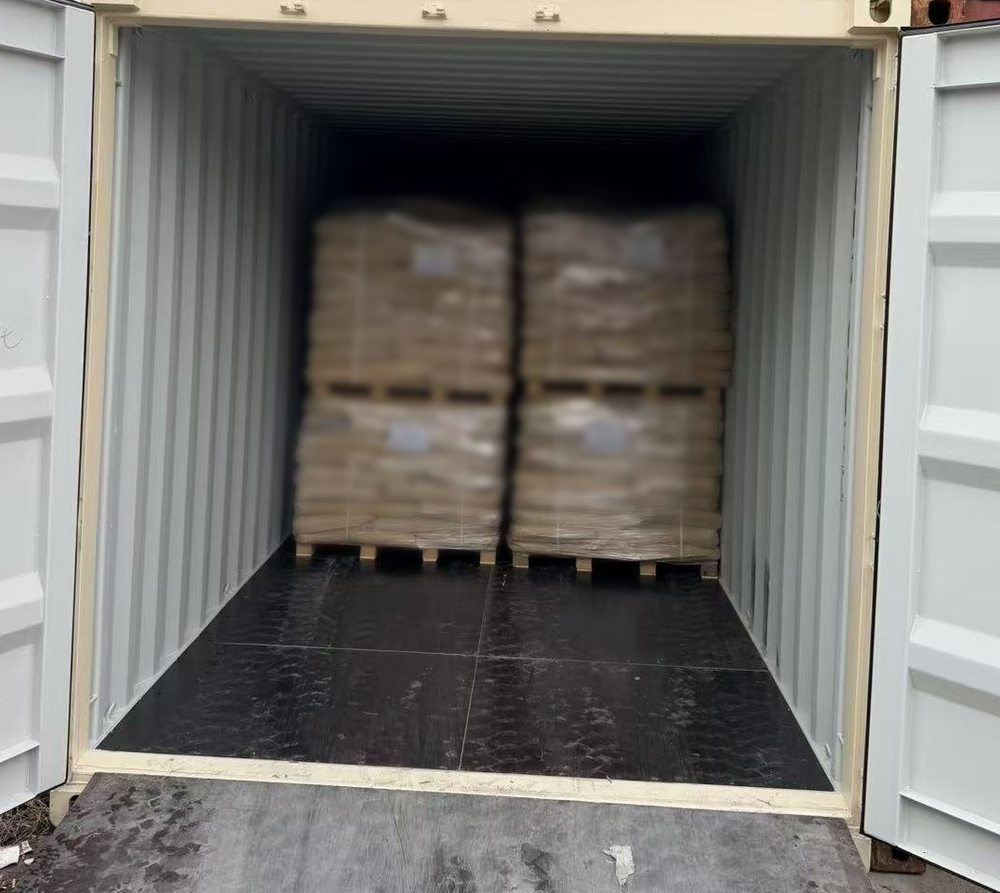
A last visual check happens with both doors open: the lashing, the wrap and the count are confirmed against the packing list, then the box is closed and sealed. Nothing in these photographs identifies the customer, the port or the vessel, and we keep it that way in every shipment post.
Keep the bags on the pallet until the batch is weighed, and keep the pallet off a concrete floor that sweats. A flake that has taken up moisture cakes in the bag, and a caked bag is slow to melt and easy to overheat at the bottom of the kettle. Melt in a controlled oven rather than over an open flame, and hold the melt only as long as the batch needs.
Because the resin is weighed dry, the stoichiometry is set by the epoxy equivalent weight of the grade and the active hydrogen equivalent weight of the hardener, not by volume. Buyers who switch from a liquid resin to a flake grade should recalculate phr from the two equivalent weights rather than carrying an old figure across.
Our solid epoxy resin range covers bisphenol-A and bisphenol-F grades, and the bisphenol-A page lists the equivalent weights and melt ranges we publish. Matching curing agents and reactive diluents are quoted on the same documents, so a trial batch can be calculated before the container is booked. Send the grade, the end use and the batch size, and we will return a TDS, an SDS and a packing plan for the quantity you have in mind.



 Red IPv6 compatible