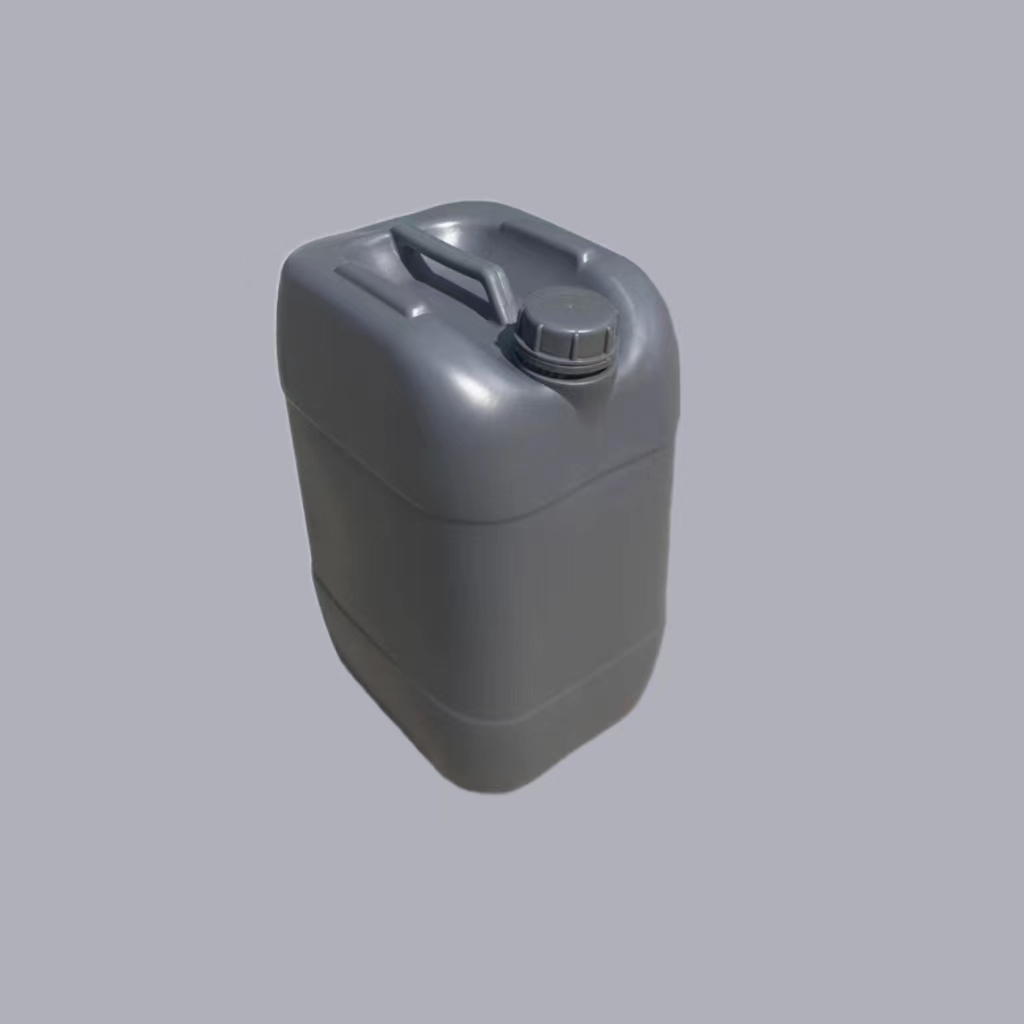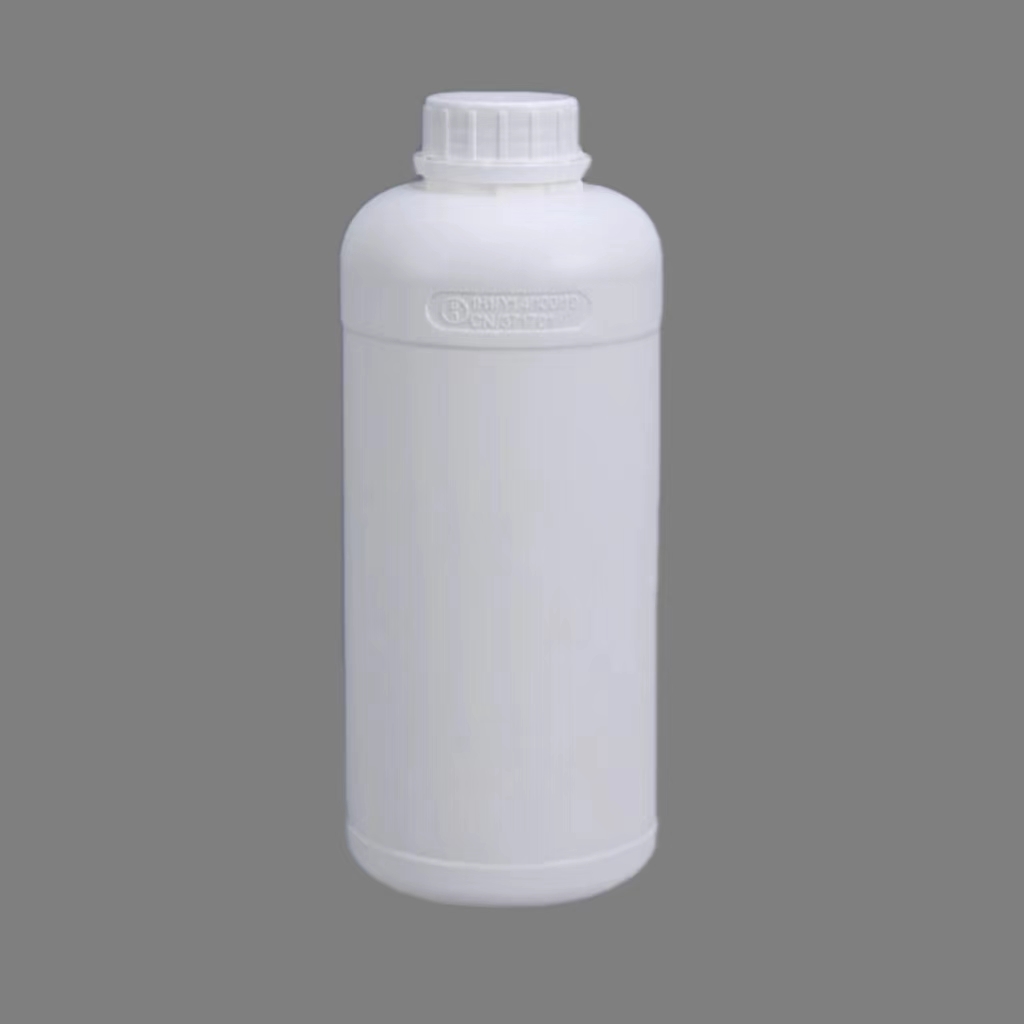

Neodecanoic acid glycidyl ester is a mono-epoxide in which a branched C10 acid is joined to a glycidyl group by an ester bond rather than an ether bond. Yolatech supplies YLD-8001 (CAS 26761-45-5), a clear 4–10 mPa·s liquid at 25 °C, alongside two difunctional glycidyl esters, YLD-8003 and YLD-9012.
In a glycidyl ether the epoxide sits next to an ether oxygen; in YLD-8001 it sits next to an ester carbonyl. The product page lists hydrolyzable chlorine at 0.15 % maximum, against 0.5 to 0.6 % on the phenyl and tert-butyl ether grades. The branched tail shields that ester, which the page credits with hydrolytic stability and weather resistance.
The page also states that the epoxy group reacts with hydroxyl, carboxyl and amino groups. That reactivity permits grafting onto acrylic, polyester and alkyd resins at room temperature.
Table 1. Values as published on the three product pages; an entry absent from the page is marked not stated.
| Grade | CAS No. | Epoxide per molecule | EEW, g/eq | Viscosity, mPa·s at 25 °C | Color, APHA | Hydrolyzable chloride |
| YLD-8001 | 26761-45-5 | 1 | 238–264 | 4–10 | max. 50 | max. 0.15 % |
| YLD-8003 | 5493-45-8 | 2 | 153–182 | 600–900 | max. 40 | not stated |
| YLD-9012 | 21544-03-6 | 2 | 150–175 | 600–1200 | not stated | not stated |
The published 238–264 g/eq for the neodecanoic acid glycidyl ester grade exceeds the 228 g/eq calculated for C13H24O3 at one epoxide per molecule. The measured value should drive stoichiometry. Water is capped at 0.1 % on YLD-8001 and 1.0 % on YLD-9012; chlorine limits on the difunctional grades are not stated and require confirmation against the TDS.
Dosage is set on the resin side. With YLH-9101 at AHEW 92 g/eq and YLE-128 at EEW 184–190 g/eq, the published 48 phr matches 100 × 92 ÷ 190 = 48.4. A glycidyl ester shifts the mixed equivalent, and the requirement follows.
Table 2. Theoretical dosage for 100 parts YLE-128 (EEW 187) with 15 parts ester, calculated as 100 × AHEW ÷ mixed EEW.
| Blend | Mixed EEW, g/eq | YLH-9101, phr |
| YLE-128 alone | 187 | 49 |
| + 15 YLD-8001 | 193 | 48 |
| + 15 YLD-8003 | 184 | 50 |
| + 15 YLD-9012 | 183 | 50 |
The monofunctional ester lifts the mixed equivalent to 193 g/eq and pulls dosage down by one phr; the difunctional esters lower it and push dosage up by one. The values are theoretical, and titration of the production batch remains the reference.
YLD-8001 suits high-solids coatings and resin modification, where low viscosity and a reactive ester group matter more than crosslink density. YLD-8003 and YLD-9012 carry two epoxides, far higher viscosity, and the weathering and electrical performance described on their pages. No page publishes a recommended loading; 5–20 phr is an application range.
A TDS and a 500 g sample of the YLD-8001 grade are the next step. Blends at 10 and 20 phr settle dosage faster than arithmetic.



 Red IPv6 compatible