
Cardanol diglycidyl ether YLD-9014 is a bio-based difunctional epoxy reactive diluent with EEW 290-350 g/eq and a viscosity of 1000-3000 mPa·s at 25°C. The cashew-oil derived molecule cuts viscosity in high-solids coatings and adhesives while adding toughness, moisture resistance, and bond strength.
Product Code: YLD-9014
CAS No.: 68390-54-5
Product Category: Diluent & Glycidyl Ether
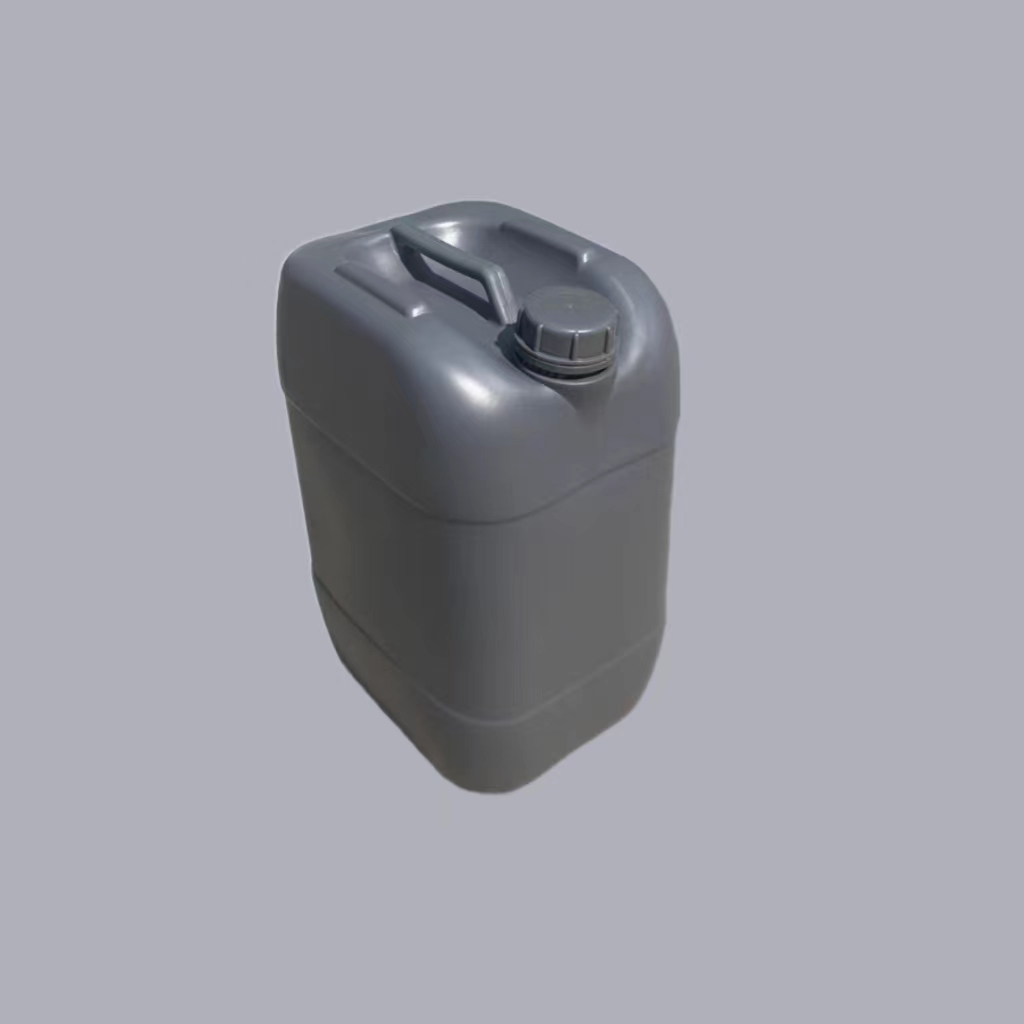
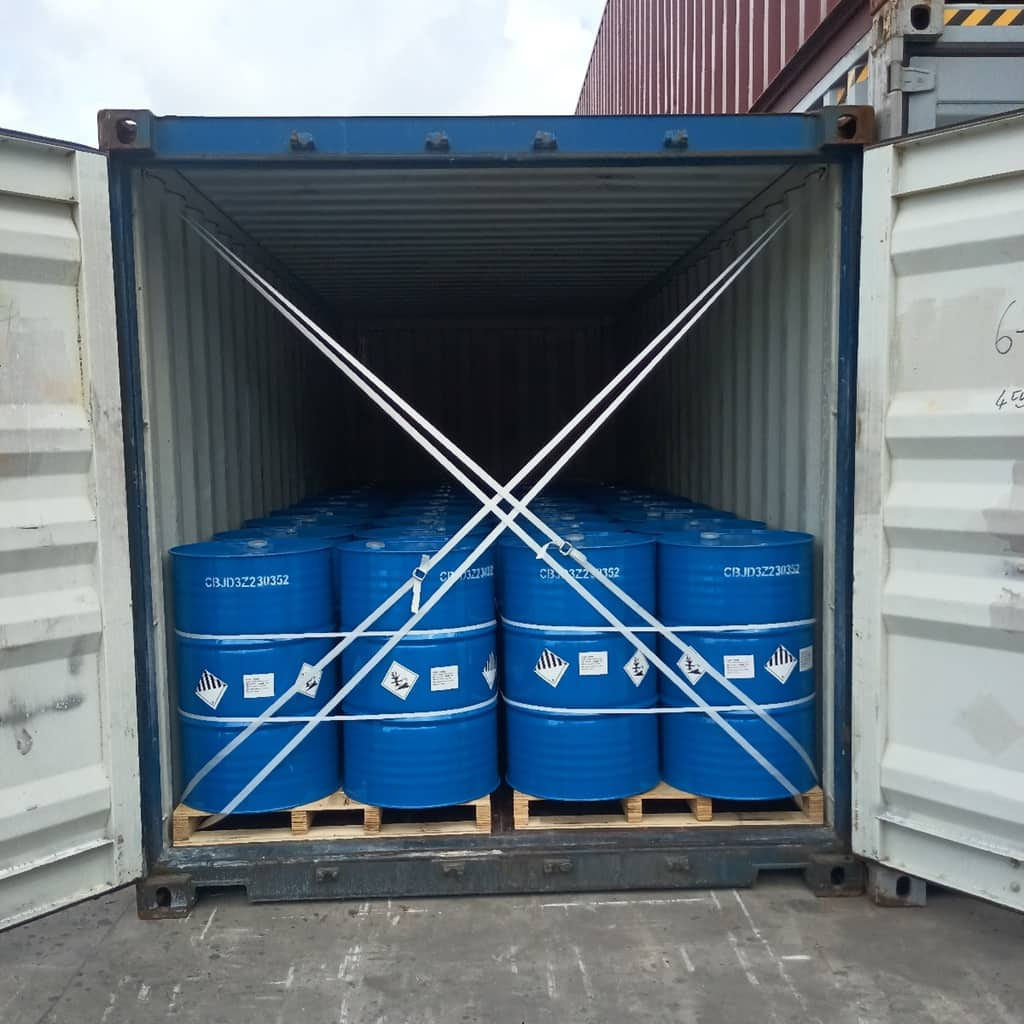
The grade ships as a reddish brown liquid in 200 kg drums, with Gardner color max. 18 and water content max. 0.2%. The table below collects the published product data in one place.
Item |
Information |
Product Code |
Cardanol Diglycidyl Ether YLD-9014 |
Chemical Name |
Cardanol diglycidyl ether, cashew oil modified difunctional glycidyl ether |
CAS No. |
68390-54-5 |
Appearance |
Reddish brown liquid |
Color, G |
Max. 18 |
EEW, g/eq |
290-350 |
Viscosity (25°C) |
1000-3000 mPa·s |
Water content |
Max. 0.2% |
Packaging |
200 kg drum |
Shelf life |
12 months from date of manufacture, original sealed packing |
Chemically, cardanol diglycidyl ether YLD-9014 is a cashew oil modified difunctional glycidyl ether. Two glycidyl groups sit on a long-alkyl cardanol backbone, so the molecule co-reacts into the cured network instead of staying in it as a free plasticizer. That is the difference between a reactive diluent and a solvent.
The long hydrophobic alkyl chain does three jobs at once. It drops the blend viscosity so high-solids and solvent-free systems can be pumped, mixed, and wetted out. It internal-plasticizes the network, which is where the flexibility and impact resistance come from. And it repels water, so cured films keep their properties in wet service better than many petrochemical-diluent systems.
One more practical point. Cardanol-based diluents tolerate imperfect surfaces: when the substrate carries traces of moisture or light oil, YLD-9014-based formulations hold adhesion where a brittle neat resin would peel. Surface preparation still matters, but the margin is wider.
Compatibility with conventional epoxy systems is built in, and YLD-9014 can also be used as a standalone resin when flexibility outweighs hardness. It is derived from botanical extracts, a renewable and non-toxic raw material base, which helps with VOC and labeling discussions in export markets.
The main alternatives are the low-viscosity monofunctional ethers and the other cardanol grades in the same family. The table below compares published specifications side by side.
Property |
YLD-9014 |
YLD-9014A |
YLD-9016 |
YLD-9006 |
BGE YLD-9004A |
Functionality |
Difunctional |
Difunctional |
Bifunctional |
Monofunctional |
Monofunctional |
EEW, g/eq |
290-350 |
200-270 |
250-330 |
355-500 |
147-157 |
Viscosity (25°C), mPa·s |
1000-3000 |
1000-3000 |
60-150 |
30-50 |
Max. 2 |
Raw material base |
Cashew oil, bio-based |
Cashew oil, bio-based |
Cashew oil, bio-based |
Cashew oil, bio-based |
Petrochemical |
Typical role |
Toughener-diluent for adhesives and composites |
Flexible-rigid balance in coatings |
Low-viscosity AGE/BGE alternative |
General diluent, low odor |
Fast viscosity cut |
Every reactive diluent is a trade-off: flexibility and water resistance go up, while Tg and hardness come down. If your formulation needs film hardness more than flexibility, cardanol diglycidyl ether YLD-9014A is the closer match; it balances flexible and rigid segments and holds impact resistance without going soft.
If the job is a deep viscosity cut instead, the numbers above say it plainly. Cardanol diglycidyl ether YLD-9016 sits at 60-150 mPa·s, and cardanol glycidyl ethers YLD-9006 at 30-50 mPa·s. YLD-9014, at 1000-3000 mPa·s, is not the tool for that.
Against BGE, the honest comparison is odor and property retention. A butyl glycidyl ether BGE YLD-9004 blend thins faster and costs less per liter, but the cardanol grades are widely positioned as non-toxic alternatives to AGE and BGE, with less impact on cured thermal properties and no irritating odor. In export projects with RoHS-style halogen-free and low-odor requirements, that usually decides the argument.
Cardanol diglycidyl ether YLD-9014 is specified by five published parameters: appearance, Gardner color, epoxy equivalent weight, viscosity, and water content. The values below are the published specification ranges.
Item |
Specification |
Appearance |
Reddish brown liquid |
Color, G |
Max. 18 |
EEW, g/eq |
290-350 |
Viscosity (25°C), mPa·s |
1000-3000 |
Water, % |
Max. 0.2 |
Treat these as specification ranges, not batch certificates. Confirm the current batch against the TDS, MSDS, and COA before you release a formulation to production, and re-check EEW on incoming material if your hardener ratio is calculated tight.
YLD-9014 carries epoxy groups of its own, so it consumes hardener like any other epoxide. The stoichiometry is straightforward. blend EEW = 1 / (w1/EEW1 + w2/EEW2), then hardener phr = 100 × AHEW / blend EEW.
Worked example. Take 90 parts of a bisphenol F epoxy resin (EEW 170, such as the site's bisphenol F epoxy resin grade) plus 10 parts YLD-9014 at its EEW midpoint of 320 g/eq. Blend EEW = 1 / (90/170 + 10/320) = 178 g/eq. With a dicyandiamide-derivative hardener at AHEW 60, demand is 100 × 60 / 178 = 33.7 phr, versus 35.3 phr for the neat resin. The exact number depends on your accelerator package and cure schedule; treat 33.7 phr as a starting point, not a specification.
Viscosity responds fast but not dramatically, because YLD-9014 itself sits at 1000-3000 mPa·s. A log-rule estimate for 10 parts YLD-9014 (taken at 2000 mPa·s) into 90 parts of a 15,000 mPa·s resin gives roughly 12,300 mPa·s, an 18% cut. If your line needs to get below 1000 mPa·s, YLD-9016 is the grade built for that, not YLD-9014.
As a starting window, most formulators run YLD-9014 at 5-15 phr against standard liquid epoxy resins. Above roughly 20 phr the network softens noticeably; check the heat-deflection numbers on your own system before committing. We can supply grade-matched TDS data on request.
Field experience with cardanol diglycidyl ether YLD-9014 boils down to a short list:
YLD-9014 earns its place where viscosity, toughness, and water resistance must move in the same direction. Typical uses reported for the grade:
Application |
Role of YLD-9014 |
Structural and general adhesives |
Raises bond strength and flexibility while limiting loss of mechanical strength |
High-solids coatings |
Viscosity reduction with lower VOC emissions |
Solvent-free (2K) systems |
Reactive diluent that co-cures instead of evaporating |
Composites and FRP |
Toughening agent and impregnation aid in winding and pultrusion lines |
Modified curing agents |
Building block for amine adducts |
The same logic extends across the product families documented in epoxy resin adhesives and epoxy resin coatings: wherever a brittle network fails in wet or impact service, the cardanol backbone is worth a trial. For structural composites, see epoxy resin composites.

YLD-9014 works as a reactive diluent and toughening agent in epoxy adhesives, high-solids and solvent-free coatings, composites, and amine adduct curing agents. It cuts blend viscosity while adding flexibility, water resistance, and adhesion strength.
Cardanol diglycidyl ether YLD-9014 has CAS No. 68390-54-5. The same CAS applies to the sibling grades YLD-9014A and YLD-9016, which share the cardanol diglycidyl ether chemistry but differ in EEW and viscosity windows.
Most systems start between 5 and 15 phr. The right level depends on how much flexibility you can afford to trade against Tg: above roughly 20 phr, hardness and heat resistance drop noticeably. Verify the final dosage with your own cure schedule.
Both are difunctional cardanol diglycidyl ethers at 1000-3000 mPa·s. YLD-9014A has a lower EEW window (200-270 g/eq versus 290-350 g/eq) and combines flexible and rigid segments, so it holds film hardness and impact resistance better; YLD-9014 is the tougher, more flexible choice.
The glycidyl groups are reactive, so the network cures normally, but amine adducts built on YLD-9014 usually set a little slower than those on monofunctional ethers. If cycle time is tight, run a DSC or gel-time check on your own hardener package before locking the recipe.
Store in a cool, dry place away from direct sunlight, drums sealed. Shelf life is 12 months from the date of manufacture in the original packing at ambient temperature. All safety handling details are provided in the MSDS.
Packaging is a 200 kg drum. Shelf life is 12 months from the date of manufacture in the original sealed packing at ambient temperatures.
Store in a cool and dry place and avoid direct sunlight. Keep containers closed when not in use; like most glycidyl ethers, the material slowly absorbs moisture in humid storage. All safety information is provided in the Material Safety Data Sheet, which accompanies every shipment and is available on request.
For samples, current batch COAs, or help matching a grade to your viscosity target, contact the product team on the YLD-9014 product page or browse the full diluent range on the diluent and glycidyl ether category page.



 Red IPv6 compatible